Mining & Resources
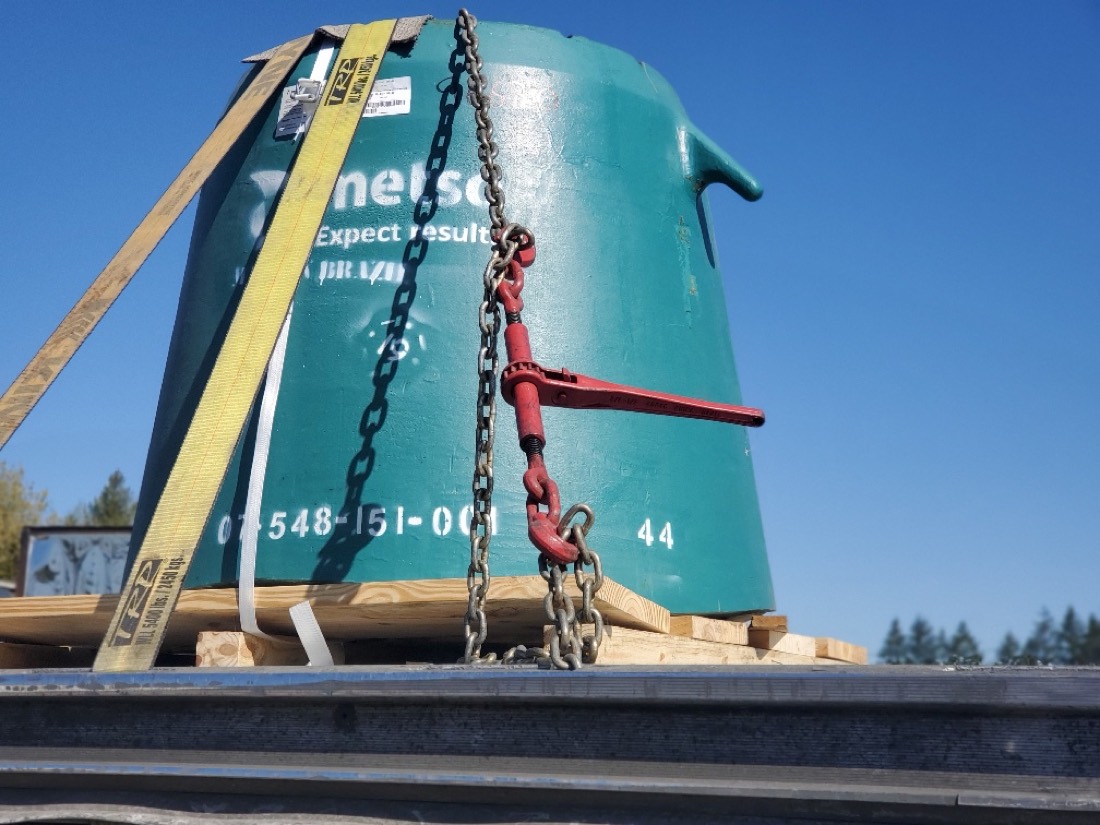
The mill shells and crushers in the rows above move on RGN and multi-axle trailers — overweight by default, with permits and escorts arranged for every leg.
A gallery of oversized, overweight, and specialized freight delivered across Canada and the United States.
The mill shells and crushers in the rows above move on RGN and multi-axle trailers — overweight by default, with permits and escorts arranged for every leg.
Beams and trusses like these ride flatbeds and step-decks, sequenced so they land in step with the build schedule.
Culverts, girders, and pipe sections are engineered loads — routes are confirmed for weight and clearance before the pour schedule is set.
Turbines and transformers like the ones above are route-surveyed bridge by bridge between the plant and the site.
Pressure vessels and tanks are dimensional cargo — permit classes, pilot cars, and travel windows change at every border on the route.
Pipe and coil are secured around weight, shape, and centre of gravity — and checked again before every leg.
The CNC machines and processing equipment above move plant-to-plant, tarped or enclosed when the cargo needs protection in transit.
Building modules and containerized units run between ports, rail, and inland sites as one coordinated move.
Hulls and marine components are port-to-site heavy lift, coordinated with port operations on both ends.
Before a wheel turns, the route is surveyed for height, weight, bridge, and turning limits. Feasibility studies and contingencies are mapped out so the move is confirmed, not assumed.
Each province, state, and border authority sets its own permit, escort, and travel-time rules. We handle the paperwork and approvals across every jurisdiction the load passes through.
Multi-axle, extendable, lowboy, and RGN trailers are matched to the load. Securement and loading and unloading are planned around its weight, shape, and centre of gravity.
Weather, road closures, and mechanical issues are planned for in advance. Contingency routes and schedules are held in reserve so a single problem does not stop the load.
Delivery and placement are coordinated directly with site managers, crane crews, and local authorities so the load arrives ready to set, not just ready to unload.
Equipment, permits, escorts, and timing sit under a single plan. One contact tracks the move end to end and keeps everyone updated through delivery.
Defense & Aerospace Logistics
Aerospace Transport
Oversized Heavy Haul
Remote Site Delivery
Specialized Energy Operations
Cross-Country Coordination
In the logistics and transportation industry, project freight stands out as a complex and demanding specialty. Unlike routine shipping, project freight involves the transportation of large, high-value, or technically challenging cargo — usually tied to major industrial or infrastructure projects.
Successfully managing project freight requires meticulous planning, specialized equipment and, crucially, an experienced team. Here is a comprehensive look at project freight and why working with seasoned professionals is essential for success.
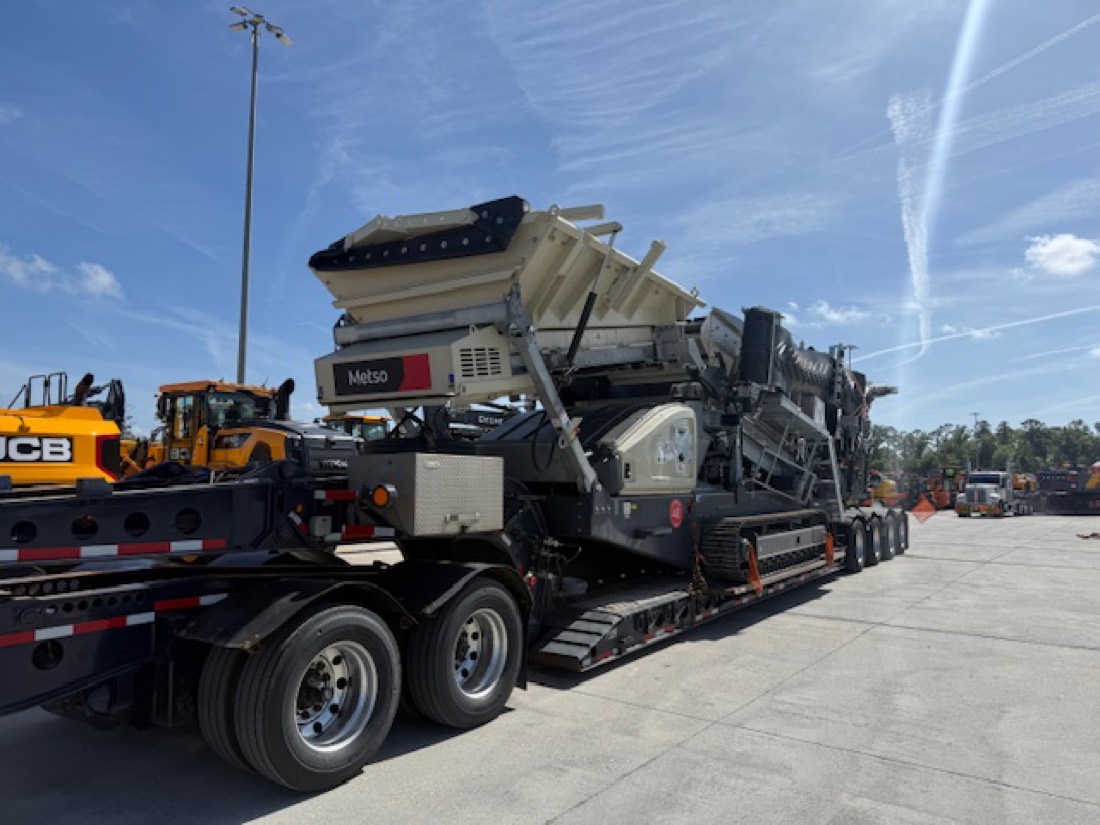
Project freight — also known as project cargo or heavy-lift cargo — refers to the transport of large, heavy, or complex items that are critical components of large-scale projects. These projects span various industries, including:
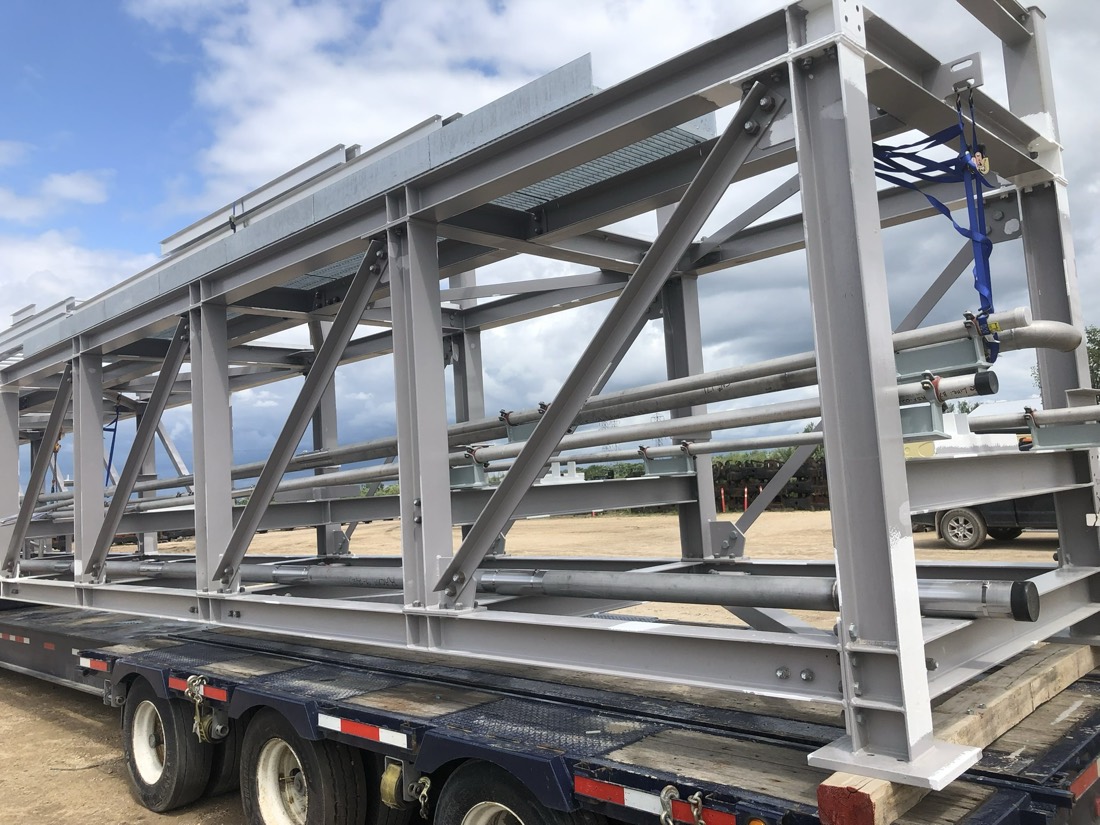
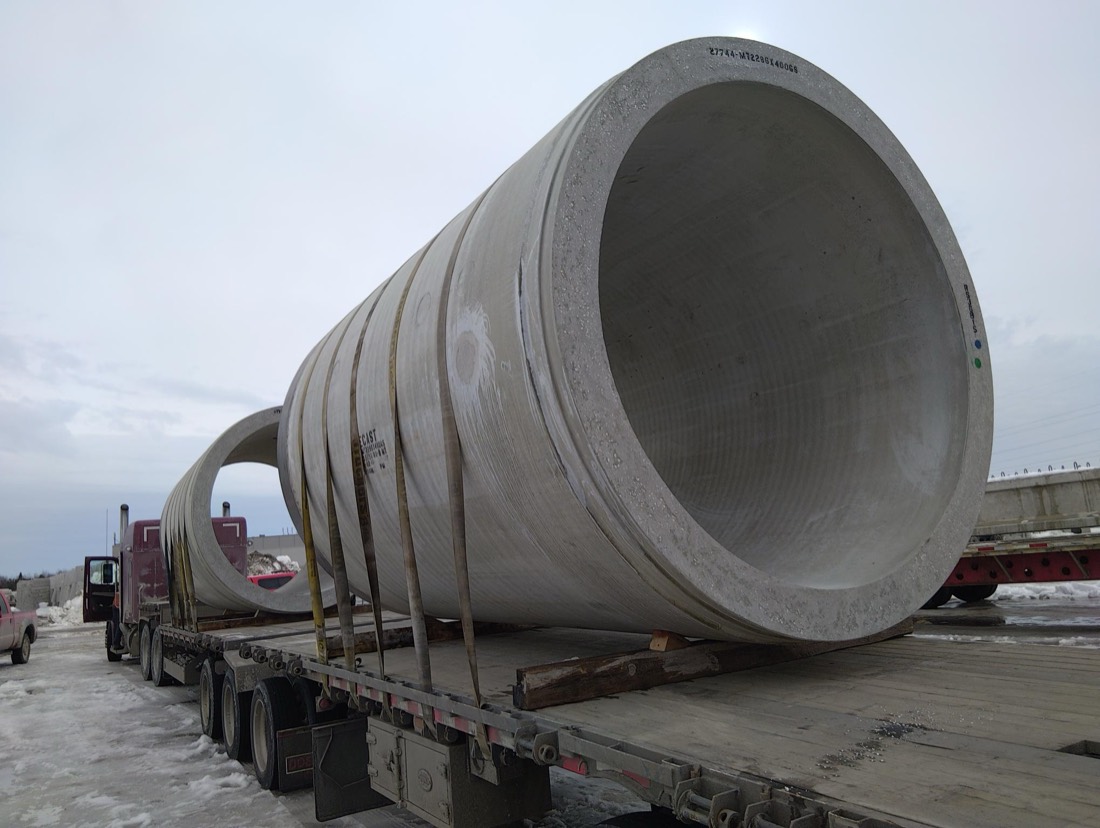
Size and weight. Project freight often involves cargo that exceeds standard shipping dimensions and weight limits. Moving it requires specialized handling, purpose-built trailers, and sometimes custom transport solutions rather than a standard deck.
Complexity. A single move can cross several regulatory environments and geographic regions, each with its own rules — and every one of them has to line up before the load rolls.
High value. Project cargo is often high-value, one of a kind, and essential to the success of the project it belongs to. It cannot be replaced off the shelf, so it has to arrive intact and on time.
Time sensitivity. Delays in transporting project freight carry significant financial and operational repercussions. Delivery is usually tied to fixed project milestones, and meeting tight deadlines is a standing requirement.
A delay on one load can hold up an entire build downstream.
Comprehensive planning and coordination. An experienced team develops detailed transportation plans — route surveys, feasibility studies, and risk assessments — and can foresee potential challenges before they surface. That is what keeps operations smooth and deliveries on schedule.
Regulatory knowledge. Navigating the regulatory landscape is a critical part of project freight. Seasoned professionals know how to obtain the necessary permits, adhere to local and cross-border regulations, and stay compliant with safety standards — avoiding costly delays and legal issues.
Specialized equipment. Project freight regularly calls for multi-axle, extendable, lowboy, and RGN trailers, coordinated with cranes and rigging on both ends of the move. Expertise in loading, securing, and unloading heavy cargo minimizes the risk of damage.
Risk management. Because the cargo is high-value and critical, risks are assessed up front and contingency plans are held in reserve — for weather disruptions, route obstacles, or mechanical failures — so a single problem does not stop the load.
Network and partnerships. Established relationships with reliable carriers and local authorities make operations smoother, resolve problems faster, and open access to the resources a project needs.
Cost efficiency. Project freight is expensive to get wrong. Efficient planning and execution surface cost-saving opportunities and avoid the mistakes an inexperienced team makes.
Communication and transparency. Effective project freight management keeps every stakeholder informed — regular updates, prompt answers, and one point of contact from the first call through delivery.
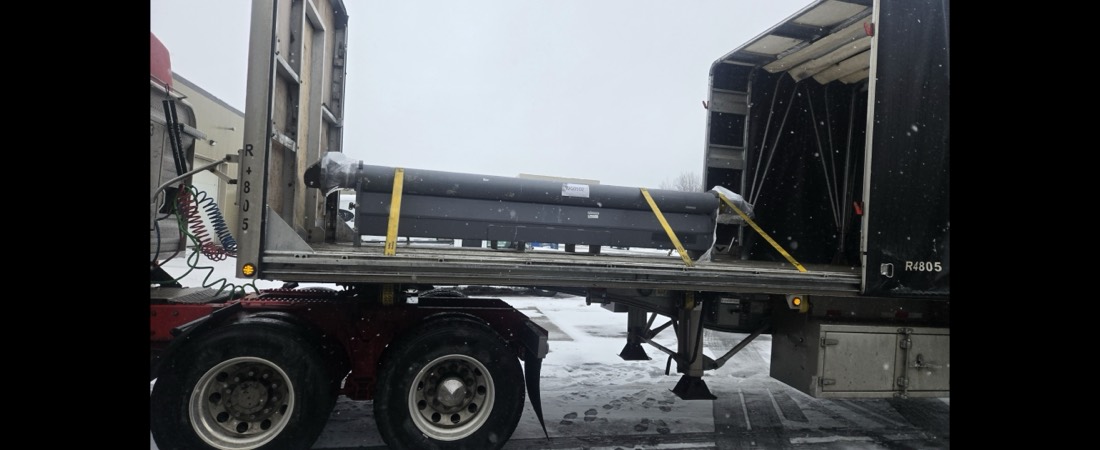
Project freight is a demanding field that rewards expertise and preparation. The ability to manage planning, regulatory compliance, specialized equipment, risk, and communication under one plan is what makes these moves succeed. Whether you are in construction, energy, manufacturing, or infrastructure development, the team you choose makes the difference.
We have planned and delivered these moves across Canada and the United States since 1987 — from single oversized machines to multi-phase programs.
Discuss your project →An oversized load that moves cleanly within one province can stall at the border. Crossing between Canada and the United States adds customs, brokers, and a second country’s worth of permit rules to a move that is already dimensional — and the crossing has to be planned as carefully as the route itself.
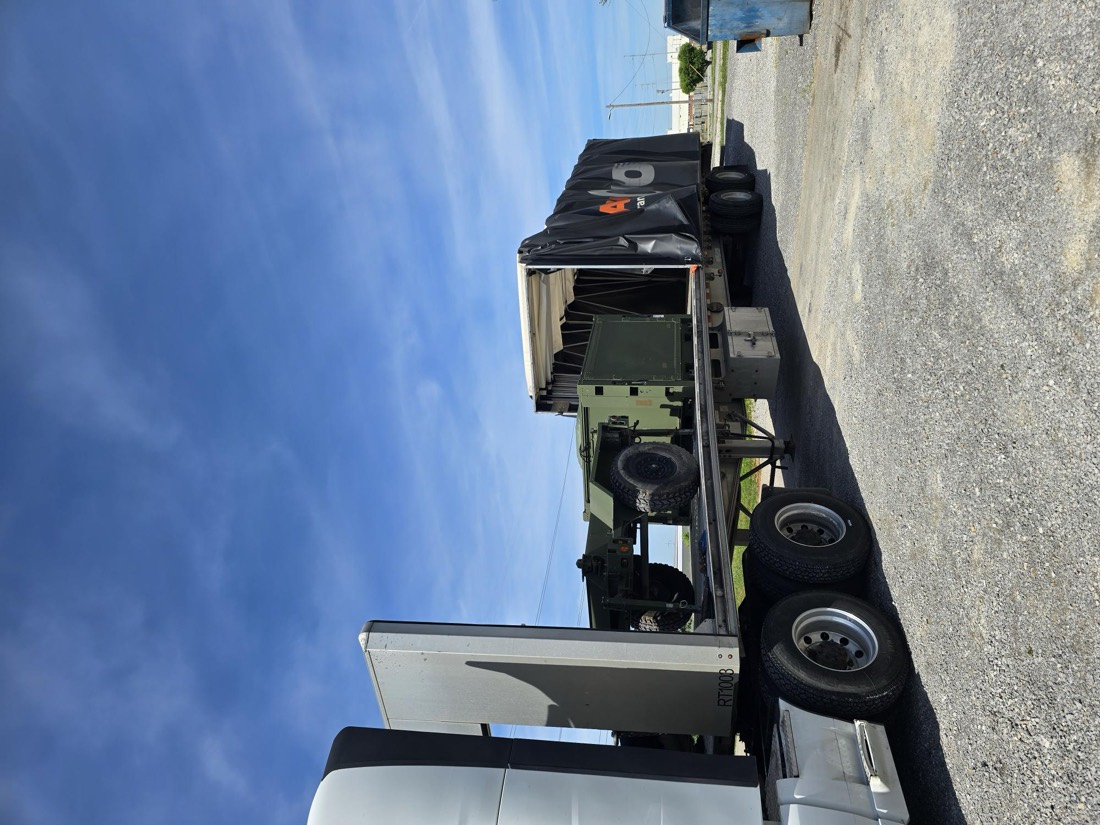
There is no single cross-border permit. Each province, state, and border authority sets its own rules for dimensional loads — permit classes, escort requirements, travel-time windows, and holiday restrictions. A load that is legal at origin can be out of compliance two jurisdictions later, which is why the paperwork is planned across the entire route, not one segment at a time.
Customs is its own workstream. Commercial documentation has to match the load, the broker has to be coordinated before the truck reaches the port of entry, and CBSA and CBP requirements have to be satisfied on their respective sides. Handled in advance, the crossing is a checkpoint; handled late, it is a parking lot.
Handled in advance, the crossing is a checkpoint; handled late, it is a parking lot.
Oversized dimensions follow the load across the border, and so do its obligations — pilot cars where required, engineered route surveys for height and weight, and bridge and turning clearances checked in both countries. The equipment matters too: multi-axle, extendable, lowboy, and RGN trailers are matched to the load, with securement planned around its weight, shape, and centre of gravity.
The border is a fixed point in a schedule full of variables. Routes are surveyed and confirmed before a wheel turns, feasibility is assessed rather than assumed, and contingency routing is mapped in case weather, closures, or inspection delays intervene. The goal is simple: the load arrives at the crossing with everything already decided.
The moves that go smoothly have one thing in common: a single plan and a single point of contact. Equipment, permits, escorts, customs, and timing sit under one coordinator who tracks the load end to end and keeps everyone — shipper, receiver, broker, and site — updated through delivery.
We have moved freight across the Canada–US border since 1987, handling the documentation, broker coordination, and CBSA/CBP requirements so loads cross without delays.
Discuss your project →