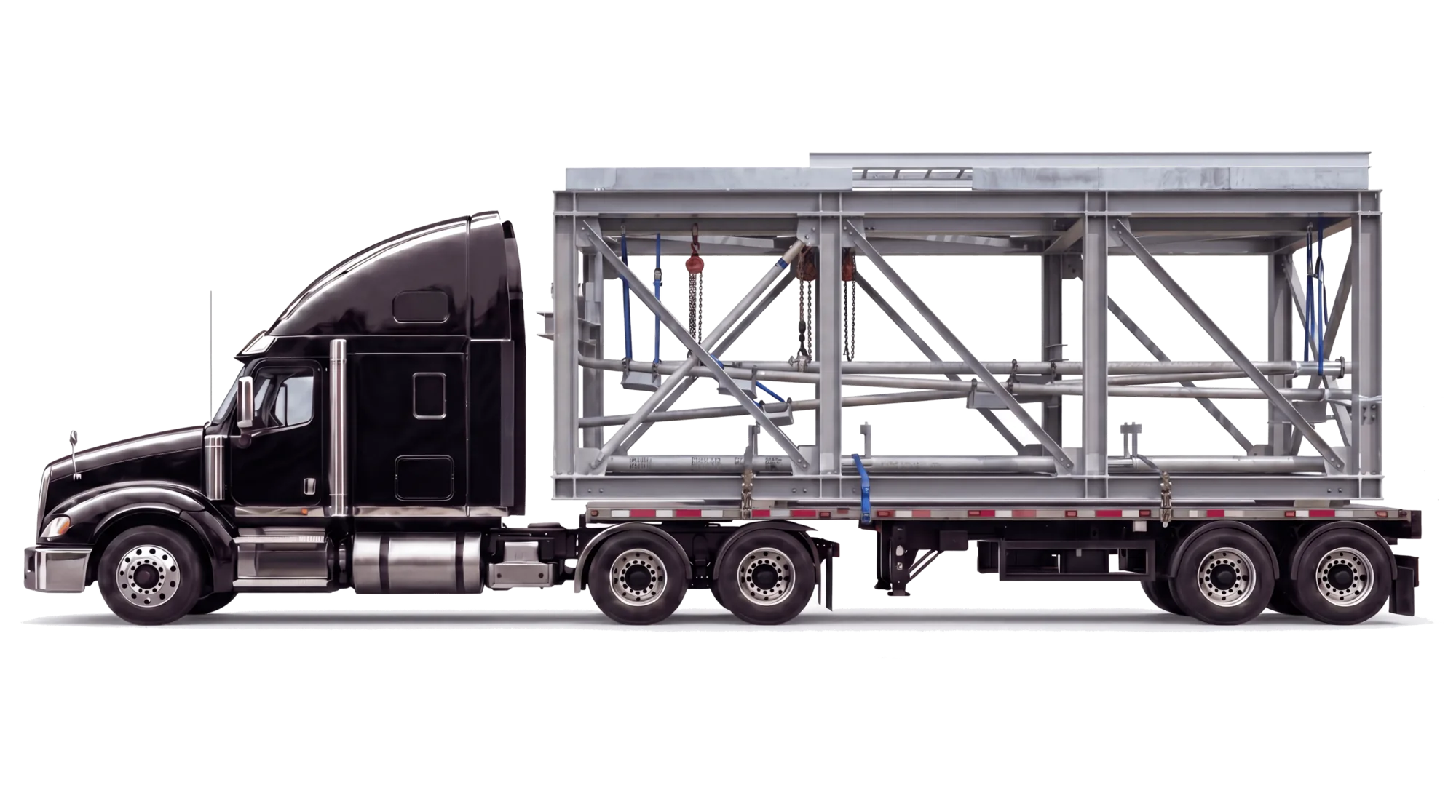
Flatbed
The standard open deck.
Steel, machinery, and building materials on an open deck, loaded by crane or forklift from any side. Suited to freight up to around 48,000 lbs that fits within legal height.

Operated by Rite Way Freight LTD
The trailer is chosen for your cargo, not just for what happens to be available.
Flatbed through multi-axle, including double-drop, RGN, and extendable units.
If a lighter class will carry the piece legally, that is what you are quoted.
We rent open-deck and specialized trailers matched to the cargo, not to whatever is on the lot. Flatbeds and step-decks handle standard and taller freight; double-drops and RGNs carry over-height machinery and rolling equipment; multi-axle and extendable units take the longest, heaviest loads.
Choosing the class is most of the value. A step-deck clears taller freight legally where a flatbed would need a permit; an RGN lets tracked equipment drive on rather than be craned; added axle lines make an overweight piece permittable at all. Renting the wrong class usually costs more in permits than the right one costs to hire.
The same fleet backs the transport side of the business, so the equipment is specified and maintained for the freight it actually carries rather than for a general rental market.
The seven trailer classes available, and what each is for.
The standard open deck.
Steel, machinery, and building materials on an open deck, loaded by crane or forklift from any side. Suited to freight up to around 48,000 lbs that fits within legal height.
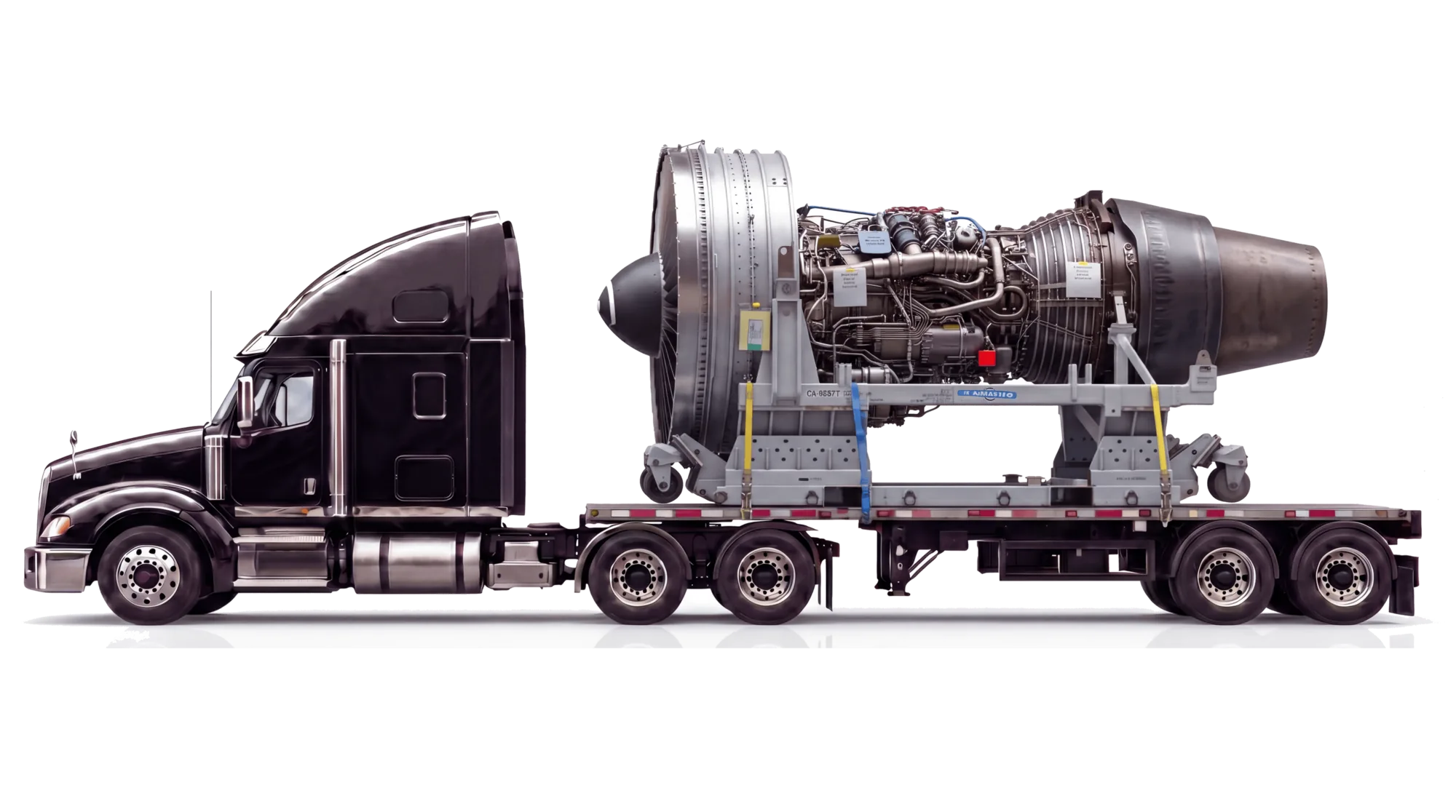
A lower deck for taller freight.
The main deck sits lower than a flatbed, adding clearance for equipment and crated cargo that would run over-height on a standard deck — so taller loads move legally without permits.
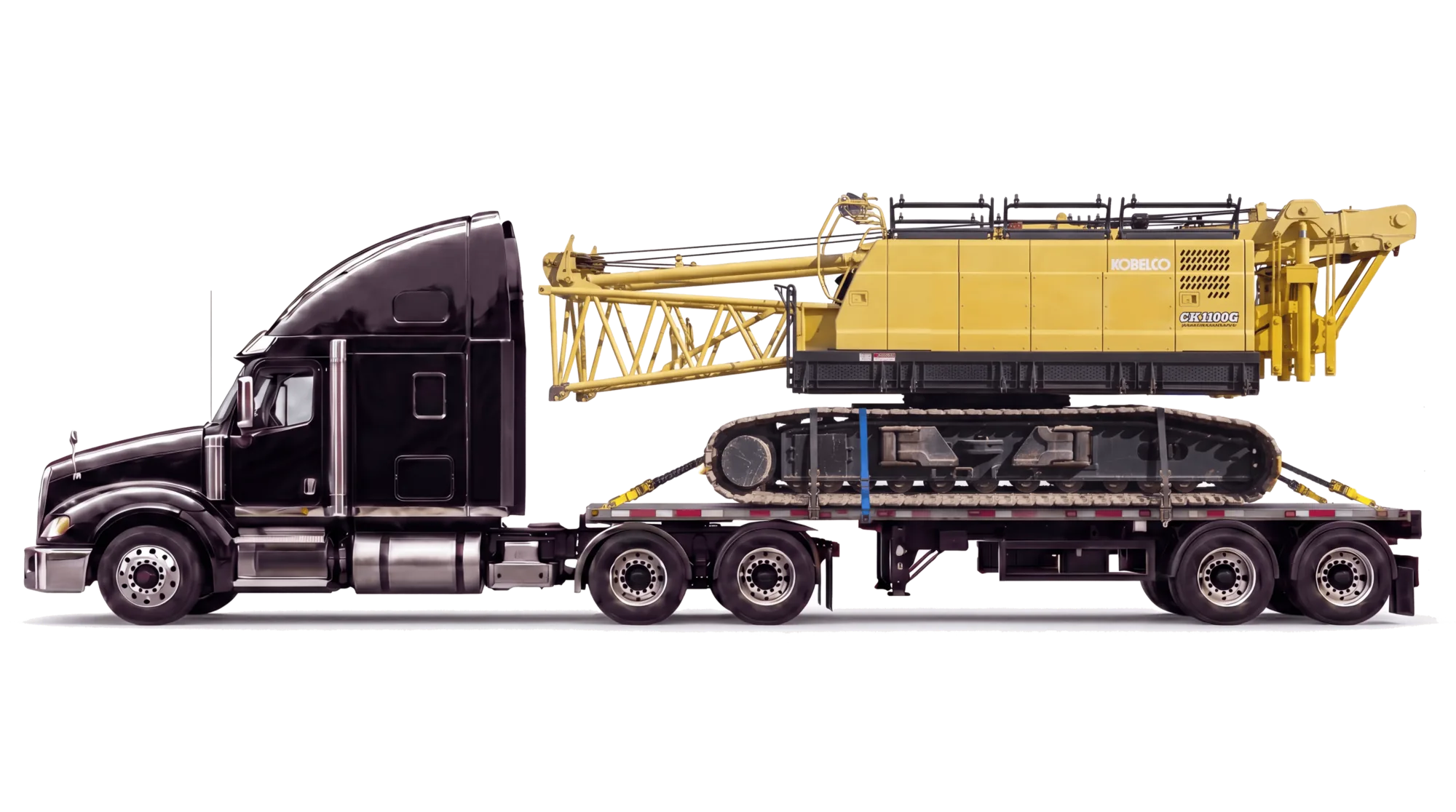
A low center well for over-height machinery.
The deck drops between the axles to carry tall machinery low to the road, keeping over-height freight under the bridges and wires along the route.
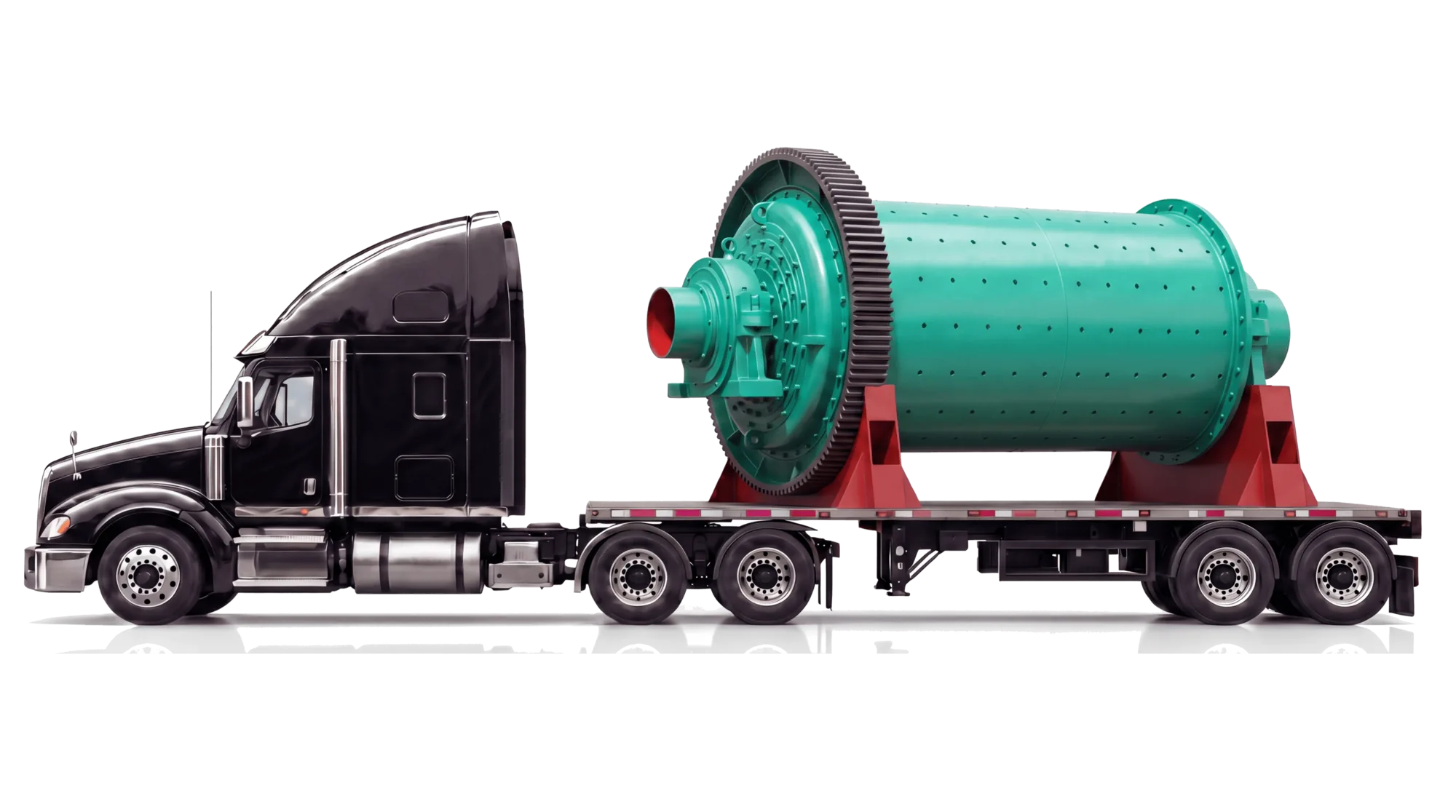
Removable gooseneck — equipment drives on.
The gooseneck detaches so excavators, cranes, and other tracked or wheeled equipment drive onto the deck under their own power. Configurable to around 150,000 lbs with added axles.
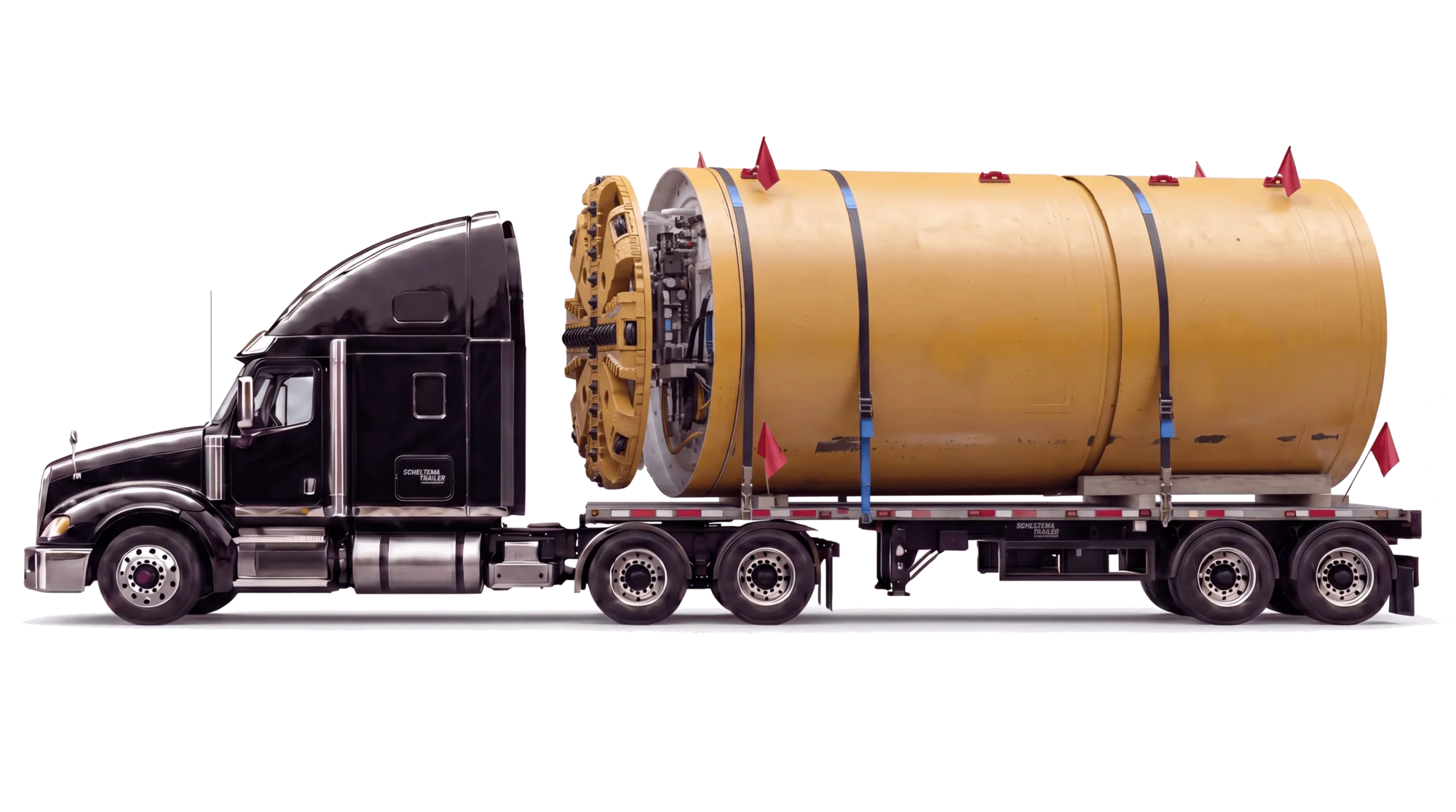
Axle lines added for the heaviest loads.
For freight beyond standard legal weight, added axle lines spread the load so it can be permitted and moved. The configuration is engineered to the piece and the route.
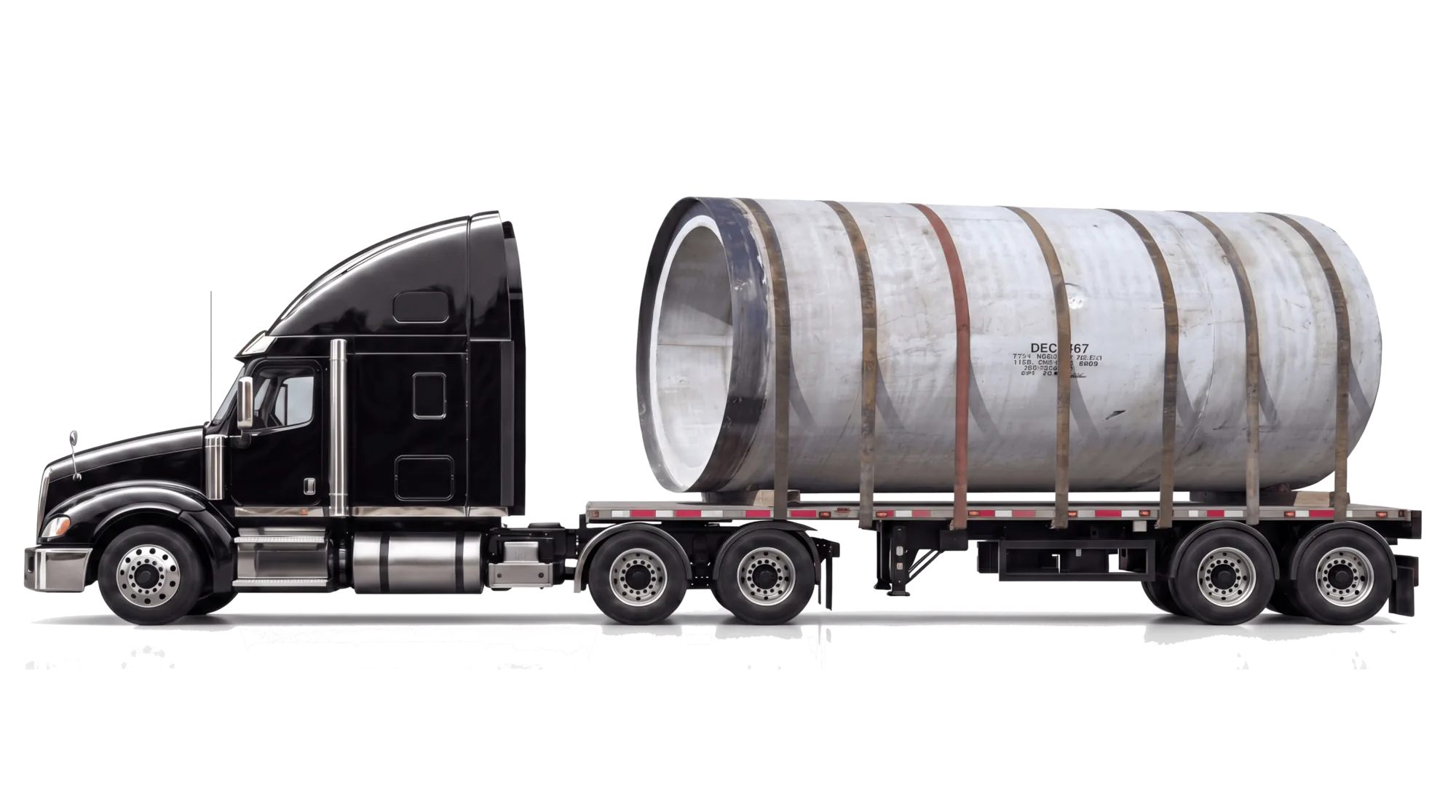
Decks that stretch for long freight.
Extendable flatbeds and step-decks stretch to carry beams, pipe, and other long freight that overhangs a standard deck, with permits and escorts arranged to match the length.
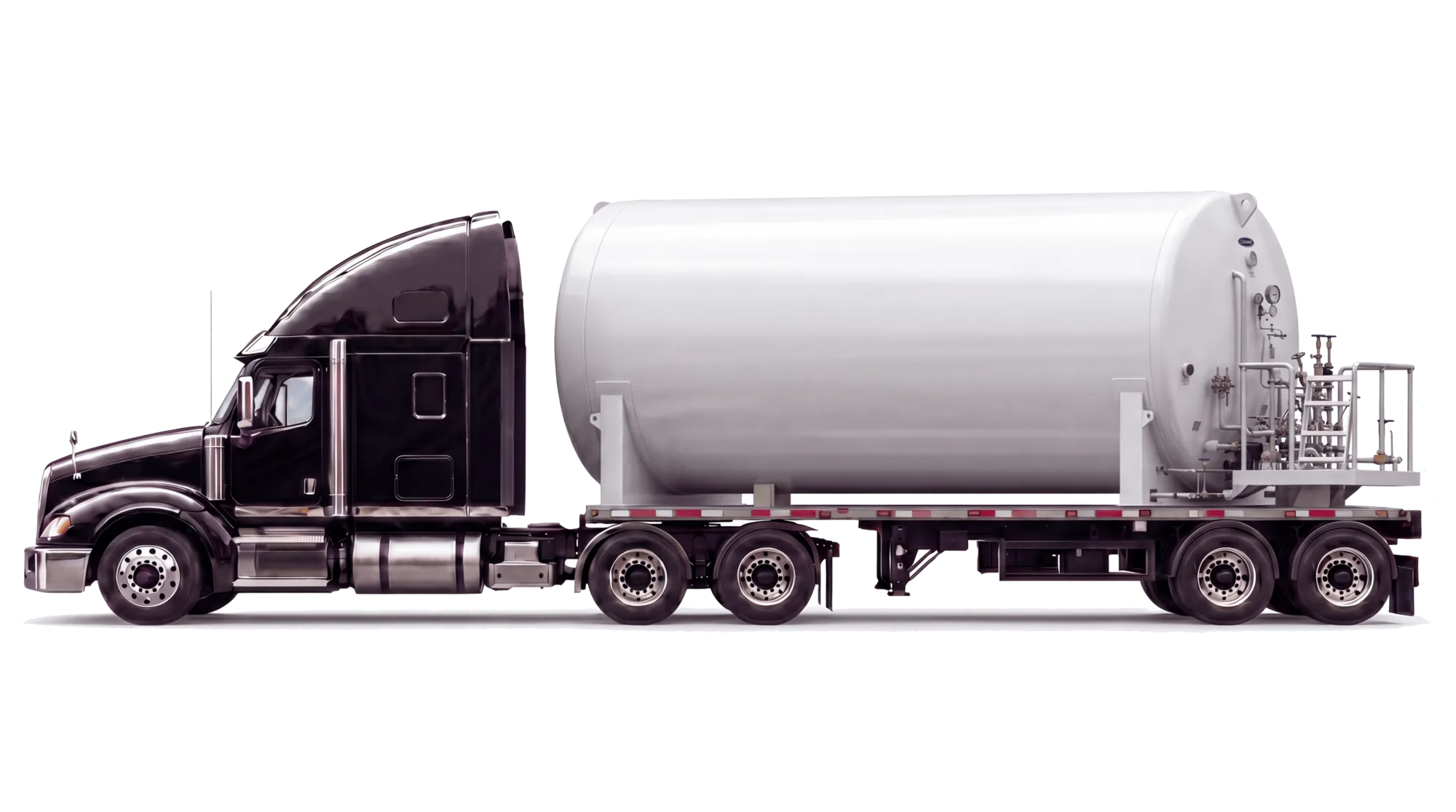
Purpose-built trailers for energy cargo.
Cryogenic tankers and purpose-built platforms carry LNG and other energy-sector cargo under the handling and safety protocols the freight requires.
Availability follows the fleet, so it is densest near the base.
The widest choice of classes and the shortest lead times.
Available through contracted equipment; lead times are longer.
Arranged on request, usually alongside a transport booking.
Cross-border rentals subject to authority and insurance requirements.
Trailer rental was added to the offering in 2022, drawing on the same fleet the transport side runs.
Our certifications and compliance5.0
4.9
5.0
4.9
5.0
4.8
All reviews to date are five stars, consistent with the 5.0 overall rating.
There are not enough words in the dictionary to describe how incredible this company is. I have been using them for well over a year, almost every day.
As a carrier, I’ve been doing business with Rite Way for over 7 years. Definitely one of the best brokers.
Rite Way Freight is very professional and organized. We’ve been working with them for 5 years.
Great services, unbeatable prices, hassle-free experience. They get it right every time.
Rental availability tracks the network — densest in the Québec–Ontario corridor, arranged through contracted equipment further out.
Pickup and delivery points are confirmed per load.
Meet our leadership team.

Zachary Khazzam
President
Zachary leads Rite Way Freight from its Montreal headquarters, overseeing a company built over nearly four decades on a simple idea: move the loads other carriers turn down, and stay with every one of them until it is delivered.
 Ryan SmithOperations Manager